Stopping Shellac Fish Eyes from Silicone Polish on Pine
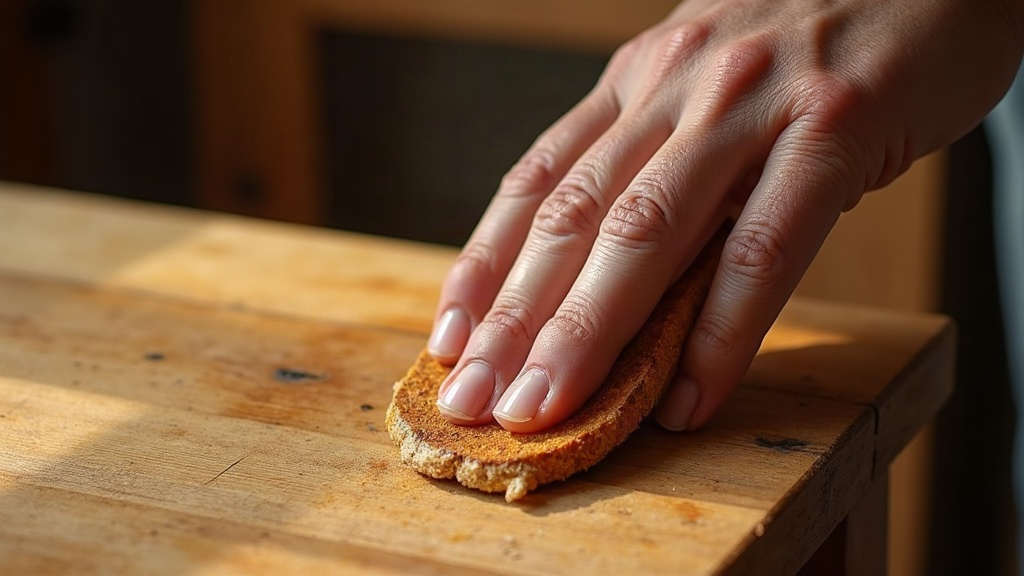
Fish eyes in shellac over antique pine almost always trace back to one culprit: silicone residue left behind by decades of furniture polish. The fix means removing or neutralizing that silicone before you so much as uncap a can of shellac. If you’re looking at a freshly rubbed-out tabletop pocked with tiny craters, don’t blame your brushwork. You’re fighting a contamination problem, not a technique problem.
Why Antique Pine Is So Prone to Fish Eyes
Pine furniture that’s 50 to 150 years old has usually been “cared for” with countless rounds of spray or paste polish loaded with dimethicone or other silicone oils. Here’s what that does to the wood:
- Penetrates open pine grain deeply, especially around knots and end grain
- Builds up in old wax layers that nobody ever fully stripped before a previous refinish
- Resists ordinary sanding, because silicone doesn’t just sit on the surface, it migrates into the wood fibers themselves
- Gets redistributed around the shop by rags, sanding pads, even compressed air lines that touched silicone products somewhere else
Shellac takes this especially hard because it’s a thin, fast-drying film. Even nanogram quantities of silicone shift surface tension enough that the shellac pulls back and craters as it flashes off, leaving those classic ring-shaped fish eye pockmarks.
Step 1: Confirm It’s Actually Silicone
Before you go to war on contamination, rule out the other usual suspects:
- Oily hands or waxed rags - switch to clean cotton and nitrile gloves
- Humidity blush - this shows up hazy, not cratered, so it’s a different animal
- Compressor oil in spray lines - common enough if you’re spraying shellac through an HVLP rig
If the craters cluster near edges or carved details (the exact spots a polish rag would hit repeatedly), silicone is almost certainly your problem.
Step 2: Strip, Don’t Just Sand
Sanding alone rarely clears deep silicone contamination on pine, because the oil has already soaked into open grain. A better sequence:
- Strip the old finish with a chemical stripper. Methylene-chloride-free citrus or soy-based strippers work well here and won’t redeposit silicone the way some solvent washes tend to.
- Wipe repeatedly with naphtha or mineral spirits on fresh rags. Change rags often. Reusing one rag across several wipe-downs just smears silicone back onto the wood.
- Follow up with a dedicated silicone/wax remover. Products made for automotive paint prep do double duty on wood. Let it flash off completely before moving on.
- Sand the bare wood with fresh, never-before-used sandpaper. Contaminated paper will happily redeposit the very oil you just removed.
Step 3: Seal Before You Shellac
Even after a thorough strip, trace silicone can hide deep in pine’s pores. A sealing strategy cuts your risk:
- Lay down a thin wash coat of dewaxed shellac (not your finish coat) cut 50/50 with alcohol, as a test and sealing layer
- If fish eyes show up in this test coat, you’re still contaminated somewhere. Strip again or spot-treat the trouble spots with naphtha.
- Once a clean test coat dries without a single crater, you’re clear to lay down full finishing coats
Step 4: Use a Fish Eye Eliminator Additive as Insurance
For stubborn cases, think deep tiger-stripe grain or old wormholes that trap oil like a sponge, reach for a flow additive:
- Add a few drops of commercial fish eye eliminator (itself silicone-based, which is a bit ironic) to your shellac at the product’s recommended dilution
- It won’t remove contamination. It matches surface tension so the finish can flow right over trace silicone instead of cratering around it.
- Treat it as a last resort after stripping and sealing, since it can contaminate any future refinishing work on that same piece
Step 5: Spray Technique Adjustments
Spraying instead of brushing? A few tweaks help:
- Thin the shellac a touch more than usual to ease surface tension stress
- Build with light mist coats instead of one heavy wet pass. A thin film gives contamination less leverage to pull itself apart.
- Keep a spray gun, lines, and compressor set aside strictly for shellac, nowhere near anything silicone-based in the shop
Preventing Recurrence
Once the piece is finished, lock in the win:
- Steer the client away from silicone furniture polishes for good. Paste wax or a simple oil-and-shellac touch-up does the job without the long-term headache.
- Keep shop rags that have touched silicone products in a separate pile from your finishing rags
- Maintain a dedicated “silicone-free zone” for any antique piece you plan to refinish down the road
Conclusion
Fish eyes in shellac on antique pine are a contamination issue, not a sign of sloppy work, and the fix follows a clear sequence: strip thoroughly, clean with naphtha and a dedicated silicone remover, test with a thin sealing coat, and keep the fish eye eliminator in your back pocket as a fallback. Work through each step with fresh materials, and you can get a glass-smooth shellac finish even on pine that’s soaked up years of silicone polish.