Exterior-Rated Plywood for Coastal Covered Porch Ceilings
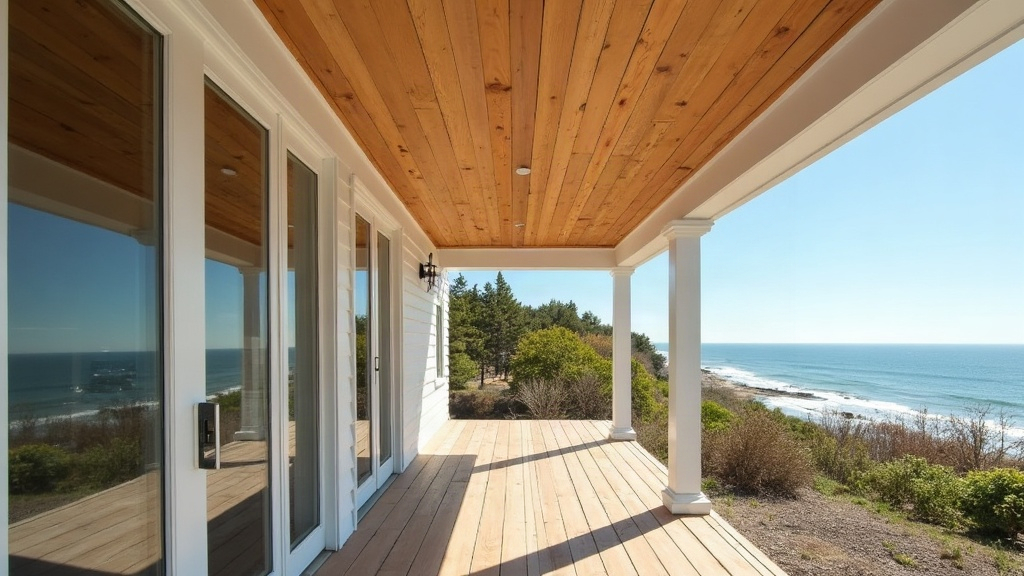
Choosing the right exterior-rated plywood for a covered porch ceiling in a coastal climate comes down to three things: moisture resistance, how well it stands up to salt air, and whether the finish can actually hold. The short answer is exterior-grade (CDX or better) or marine-grade plywood, bonded with waterproof glue, built from rot-resistant veneers, and topped with a finish system made for humidity swings and airborne salt. Skip any one of those and you’re buying yourself a repair job in three years.
Why Standard Plywood Fails Near the Coast
A covered porch ceiling looks protected, sure. It’s not sitting in the rain. But “covered” doesn’t mean “dry,” and regular interior plywood runs into trouble fast out there:
- High ambient humidity swinging hard between day and night
- Salt-laden air that eats through fastener coatings and breaks down glue lines over time
- Wind-driven moisture that reaches those “covered” areas way more often than people assume
- UV exposure at the open edges and sides of the porch
Interior plywood uses glue made for dry, indoor conditions only. Put it on a coastal porch and within a year, sometimes less, you’ll start seeing delamination, bubbling veneer, and soft, spongy spots. Panel edges and seams go first. It’s not subtle once it starts.
Grades That Actually Work
Exterior-Grade CDX or BC Plywood
Think of this as the floor, not the ceiling, of what’s acceptable. Look for:
- Exterior glue bond (phenolic resin specifically, not just a “moisture-resistant” label on the box)
- APA (The Engineered Wood Association) stamp confirming an exterior exposure rating
- Smooth “B” or better face veneer if you plan to paint or stain it
Marine-Grade Plywood
If the house sits right on the water or gets hit with heavy salt spray, marine plywood earns its higher price tag:
- Void-free core (no hidden gaps where moisture can sit and rot things from the inside)
- More veneer layers for stability, which matters on wider ceiling spans
- Usually Douglas fir or okoume face veneers
Pressure-Treated Plywood
Good for structural backing or furring strips hidden behind the finished ceiling. Not great as the visible surface, though. The chemicals can bleed through paint over time, and the texture is rougher than you want on something everyone looks up at.
Key Specifications to Check Before Buying
- Exposure rating: Make sure it actually says “Exterior.” “Exposure 1” is a different thing, it only tolerates brief moisture during construction, not years of humidity.
- Glue type: Phenolic resin adhesive, rated for permanent outdoor use.
- Veneer grade: A or B face for a clean, paintable surface. Skip knotty C/D grades if the ceiling will be visible.
- Thickness: 3/8” to 1/2” is typical for porch ceilings. If your joist spacing is wider, bump up to 5/8” to stop sagging before it starts.
- Species: Douglas fir and Southern yellow pine hold up well. Avoid soft, low-density cores; they just don’t last in this environment.
Finishing for Salt-Air Longevity
The plywood is only half the equation. The finish system is doing just as much work:
- Prime all six sides, including edges and the back, before you even install it. Moisture finds the unsealed spot every time.
- Use a 100% acrylic exterior paint rated for high humidity.
- Seal every panel seam with paintable exterior caulk. Plain butt joints alone won’t cut it.
- In extreme salt-spray areas, a breathable elastomeric coating is worth considering.
- Use stainless steel or hot-dip galvanized fasteners. Standard galvanized screws will rust visibly within a season or two near saltwater, sometimes leaving ugly streaks down the ceiling.
Common Alternatives Worth Comparing
If the idea of maintaining plywood for the next decade sounds exhausting, there are other routes:
- Beadboard PVC panels: Rot is basically a non-issue, but it won’t give you that classic wood look.
- Cement fiberboard panels: Very durable, noticeably heavier to install, and costs more going in.
- Cedar tongue-and-groove: Naturally rot-resistant and handsome, but pricier and needs resealing every few years.
Even with these options on the table, a lot of coastal builders still default to exterior plywood. It’s cheaper, easier to work with, and takes a classic haint blue porch-ceiling finish beautifully.
Installation Tips for Humid Climates
- Leave a 1/8” expansion gap between panels. The wood will swell seasonally, and that gap keeps it from buckling.
- Run the face grain perpendicular to the joists for maximum strength.
- Make sure there’s real soffit ventilation behind the ceiling so moisture isn’t just trapped back there.
- Don’t install on a humid or rainy day. Trapping moisture behind the panels during install is one of the most common causes of early failure, and it’s completely avoidable.
Conclusion
For a covered porch ceiling near the coast, your best bet is exterior-grade CDX or marine-grade plywood with phenolic glue, an A/B face veneer, and a properly primed, acrylic-painted finish. That combination gives you the best mix of cost, looks, and staying power. Pair it with stainless fasteners, sealed seams, and decent ventilation, and there’s no reason that ceiling shouldn’t last 15 to 20 years, even in rough salt-air conditions.