Track Saw vs Circular Saw With a Straightedge for Walnut Plywood
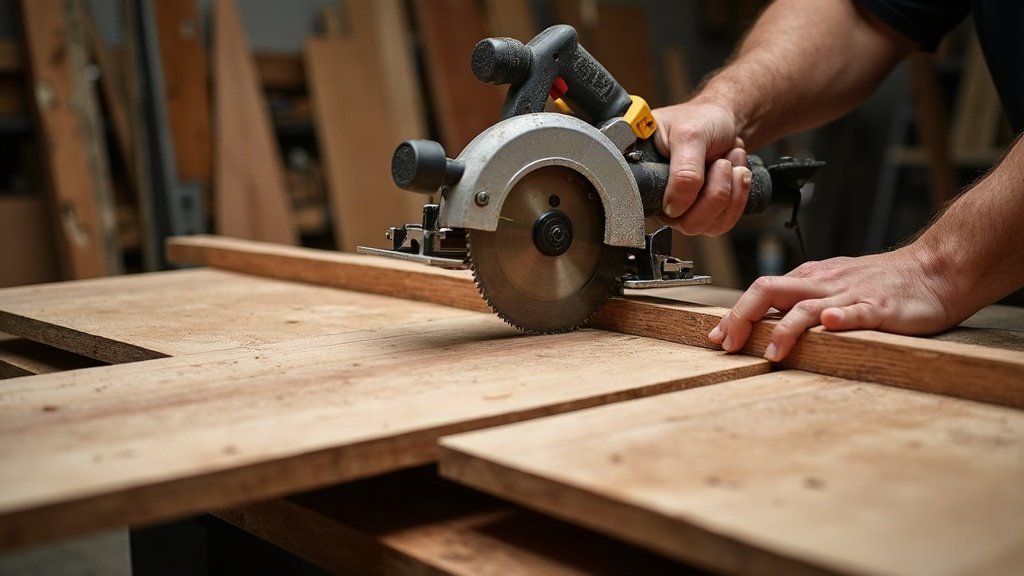
If you’re breaking down a full 4x8 sheet of pricey walnut plywood by yourself, a track saw beats a circular saw with a straightedge on just about every front that matters: safety, accuracy, and your own sanity. The anti-kickback geometry, the splinter-free edge, and the built-in rail system turn a two-person job into something one set of hands can actually pull off. That said, a circular saw paired with a good straightedge can still get you professional results. You just need patience and a willingness to measure twice (or three times).
Why This Decision Matters More With Walnut Plywood
Walnut veneer plywood isn’t cheap. A single sheet can run $90 to $150, sometimes more depending on the supplier and grade. And unlike birch or MDF-core panels, it chips and tears out with almost no warning. One bad pass through the blade and you’re not just out some lumber, you’ve potentially blown the budget on a project. Working solo makes this worse, because there’s nobody to brace the far end of the sheet or keep your saw from wandering off-line.
Track Saw: The Solo Woodworker’s Advantage
How It Works
A track saw runs on a plastic or aluminum guide rail that clamps (or sticks, via grip tape) right onto the workpiece. The blade plunges straight down through the rail. No freehand wobble, no guesswork on your line.
Pros for Solo Breakdown
- Splinter guard strip: The rubber edge on the rail presses into the veneer right before the blade touches it, which pretty much kills tear-out on walnut’s fussy face grain.
- No clamping required for straight cuts: A lot of rails have grip strips underneath, so you can set the rail and cut without wrestling with clamps.
- Riving knife and anti-kickback: Plunge-style cutting reduces the binding that triggers kickback, which matters a lot when there’s no one holding the other end of an 8-foot sheet.
- Repeatable accuracy: Rails connect end to end for long rips, and parallel guide accessories let you repeat a width cut without re-measuring every single time.
Cons
- Cost: A decent track saw (Festool TS 55, Makita SP6000J, DeWalt DWS520) runs $400 to $700, and you’ll need another $150 to $250 for rails.
- There’s a small learning curve the first few times you plunge and align the rail.
Circular Saw With a Straightedge: The Budget Route
How It Works
Clamp a straight board, an aluminum guide, or a shop-built jig onto the plywood, then run an ordinary circular saw with the baseplate riding along that edge.
Pros
- Lower cost: If you already own a circular saw, a clamp-on straightedge (a Kreg Rip-Cut, say, or something you build yourself) only costs $20 to $60.
- Versatility: Same saw handles framing, trim work, and anything else outside of sheet goods.
Cons for Solo Use
- Clamping eats time, and it’s non-negotiable: Skip clamps on the guide (and sometimes the sheet itself) and the whole setup shifts mid-cut. On an 8-foot rip, that’s a disaster waiting to happen.
- More tear-out: Standard blades and baseplates have no splinter-guard contact, so the walnut veneer chips more, particularly on the top face.
- Harder to support the sheet alone: You’ll need foam insulation board, sawhorses, or a torsion table positioned so the offcut doesn’t pinch the blade partway through.
- Higher kickback risk: If the guide drifts even slightly out of parallel, or the sheet flexes under its own weight, the blade can bind fast.
Practical Setup Tips for Working Alone
Whichever tool you land on, a few things help every time:
- Score the cut line first with a utility knife and straightedge on the walnut veneer. Takes an extra thirty seconds, saves you from chip-out on either saw.
- Support the sheet on rigid foam insulation, 2-inch XPS works well, laid flat on the floor or low sawhorses. It holds the whole panel and lets the blade bite slightly into the foam instead of chewing up your workbench.
- Use a sharp, fine-tooth blade. A 60 to 80 tooth carbide blade cuts down splintering no matter which saw you’re running.
- Pre-measure and mark both ends of the cut line before you set your guide, then double-check it’s parallel before you commit to the cut.
- Cut face-down with a standard circular saw (the blade exits upward, so tear-out ends up on the back). Track saws usually cut clean face-up thanks to the splinter guard.
Which Should You Choose?
- Go with a track saw if you’re regularly breaking down sheet goods, working with pricier veneered plywood, or frequently find yourself without a helper.
- Go with a circular saw and straightedge if this is a one-off job, money’s tight, and you’re fine putting in extra time on clamping and measuring.
Conclusion
If you’re running a one-person shop and routinely cutting into costly walnut plywood, the track saw earns its keep fast, less wasted material, less sanding afterward, and a lot less risk. A circular saw with a solid straightedge can still turn out clean, accurate cuts, it just asks more of you in terms of setup discipline and patience, especially when there’s nobody around to grab the other end of the sheet. Either route you take, scoring the line first, supporting the panel properly, and keeping a sharp fine-tooth blade on hand will make the real difference in how the cut turns out.