Choosing Acetylated Wood for a Long-Lasting Garden Gate
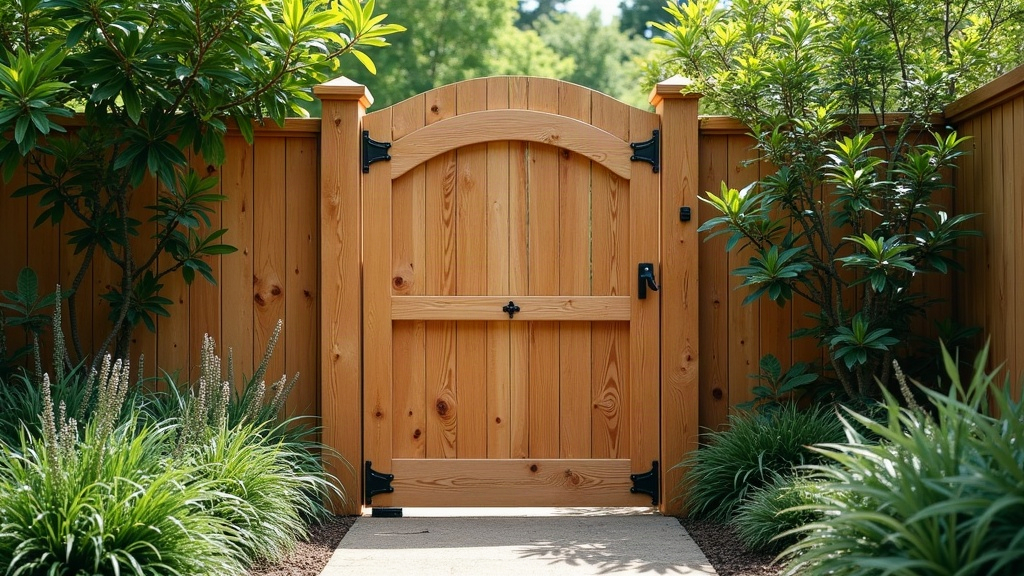
A garden gate takes a beating. Rain one day, blazing sun the next, frost in winter, and someone swinging it open and shut dozens of times a week. If you’re sick of replacing warped or rotted gates every few years, acetylated wood deserves a serious look. This modified timber delivers exceptional dimensional stability and rot resistance, often backed by warranties stretching 25 to 50 years, which makes it one of the smartest long-term bets for an outdoor gate.
What Is Acetylated Wood?
Acetylated wood (you’ll often see it sold under the brand name Accoya) starts out as ordinary softwood, usually fast-growing radiata pine, and then goes through acetylation, a chemical process that alters the wood’s cell structure at a fairly fundamental level. The process swaps out free hydroxyl groups in the wood for acetyl groups, and that change sharply cuts the wood’s ability to soak up moisture.
Since moisture absorption is really the root cause behind swelling, shrinking, cracking, and fungal decay, this one modification fixes several problems at once:
- Moisture uptake drops by up to 80% compared to untreated wood
- Dimensional stability improves, so you get far less swelling and shrinking across the seasons
- Rot resistance increases, because fungi need moisture to survive and break down wood fibers
- No toxic preservatives are needed; the process doesn’t rely on leachable biocides
Why It Matters for Garden Gates Specifically
Garden gates deal with a particular mix of stresses that makes them more prone to failure than, say, a fence panel:
- Constant movement – hinges and latches place repeated stress on joints, swing after swing
- Ground contact or near-ground exposure – the bottom rail often sits just above soil, grass, or standing puddles
- Full weather exposure – unlike fencing tucked along a boundary, gates are usually unshaded and exposed on both faces
- Visual prominence – a gate is frequently the first thing a visitor notices, so any sagging or cracking stands out immediately
Standard pressure-treated pine gates often start cupping, splitting, or rotting within 5 to 8 years, especially along that bottom rail. Acetylated wood gates, by contrast, routinely keep performing well past the 25-year mark with barely any maintenance, even in climates that stay damp most of the year.
How Does It Compare to Other Gate Materials?
Acetylated Wood vs. Pressure-Treated Pine
Pressure-treated pine leans on chemical preservatives that gradually leach out, which means you’re resealing it every few years just to keep it protected. Acetylated wood’s protection, on the other hand, is baked into the cell structure itself. It doesn’t wash away, and it doesn’t need reapplying.
Acetylated Wood vs. Cedar or Redwood
Cedar and redwood carry natural rot resistance from their oils and tannins, but that resistance is moderate at best, not absolute. In gate applications they typically last 10 to 15 years and still shift noticeably with humidity. Acetylated wood beats both on longevity and on staying put dimensionally.
Acetylated Wood vs. Composite or PVC
Composite and PVC gates won’t rot, sure, but they can look plasticky, may sag under their own weight across wider spans, and lack the natural grain and warmth that real timber has. Acetylated wood gives you genuine wood looks paired with synthetic-level durability, which is a nice combination.
Acetylated Wood vs. Tropical Hardwoods (Teak, Ipe)
Hardwoods like ipe are tough as nails, no argument there, but they come loaded with sustainability questions, steep prices, and a reputation for being a pain to machine. Acetylated softwood is FSC-certified in most cases, much easier to work with on site, and often cheaper per linear foot.
Practical Tips for Building an Acetylated Wood Gate
- Use stainless steel or hot-dip galvanized hardware. Acetylation nudges the wood’s pH slightly, so standard fasteners can corrode faster than you’d expect
- Pre-drill every screw hole. Acetylated wood behaves denser than untreated softwood, and skipping this step is a quick way to end up with splits
- Finish is optional, not required. Leave it bare and it’ll weather to a soft silvery-gray patina, or brush on a UV-protective oil if you’d rather hold onto the original color
- Design for airflow at the bottom rail. The material resists rot on its own, but trapped moisture is still worth avoiding with smart detailing
Is the Higher Cost Worth It?
Acetylated wood typically runs 20 to 40% more upfront than standard pressure-treated lumber. That stings a bit at checkout. But weigh it against:
- Replacement costs you avoid every 5 to 10 years
- No recurring bills for sealant or stain
- Stable performance with none of the warping-related repairs
Add it up over time and the lifetime cost often comes out lower, particularly for something used daily like a gate.
Conclusion
Want a gate that still swings smoothly and looks sharp two decades from now? Acetylated wood is about as reliable a choice as you’ll find. Its moisture resistance, dimensional stability, and low upkeep make it a natural fit for a structure that absorbs daily wear from both use and weather. Yes, the upfront price tag is higher than basic pressure-treated lumber, but the long-term savings and performance make it a smart call for any garden entrance built to last.