Cold-Weather Glue-Ups: Stop Polyurethane Glue Foaming on Cedar
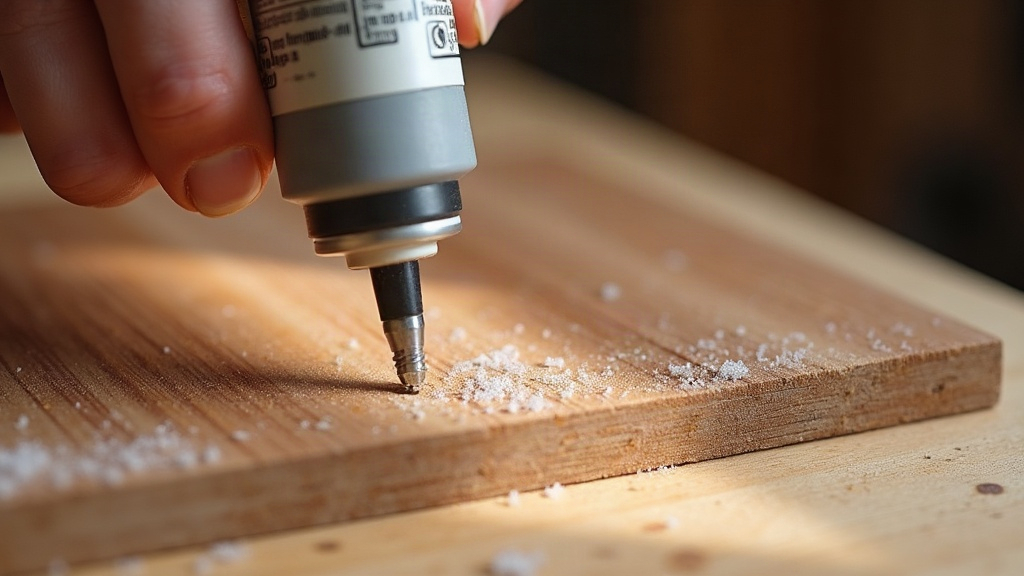
Building cedar planters once the weather turns cold usually means wrestling with polyurethane glue that foams right out of the joints and wrecks your clean lines. Here’s the thing though: foam-out almost always comes down to three culprits, too much moisture, the wrong temperature, or simply too much glue. Once you understand why polyurethane behaves this way, all three are easy to manage.
Why Polyurethane Glue Foams in the First Place
Polyurethane glue (think Gorilla Glue or TiteBond’s polyurethane line) doesn’t cure by evaporating like PVA wood glue does. It cures through a chemical reaction with moisture. When it hits water, it releases carbon dioxide as a byproduct, and that gas is what creates the foam. In theory, that foaming action helps the glue expand and fill gaps. In practice, too much of it just means wasted glue, a weaker joint, and a sticky mess smeared across your cedar.
Cold weather makes both problems worse, and here’s why:
- Cedar holds more surface moisture during fall and winter. Humidity swings and cooler temperatures mean there’s simply more water sitting in the wood fibers for the glue to react with.
- Cold slows the cure. The glue stays liquid longer before it sets up, which gives CO2 way more time to escape and push outward instead of staying trapped inside the joint.
The Ideal Temperature Window
Most polyurethane glues want to be applied somewhere between 50°F and 100°F (10°C to 38°C). Drop below 50°F and the reaction doesn’t stop, it just drags on. That extended window gives moisture far more opportunity to react with more of the glue than it should, which is exactly how you end up with a foamy mess instead of a tight joint.
Practical fix: Bring your glue-up indoors, or into a heated shop, for at least 24 hours. Working outside anyway? Try this:
- Keep the glue bottle at room temperature right up until you’re ready to use it.
- Warm the cedar boards near a space heater, or just bring them inside overnight so the wood isn’t cold to the touch.
- Skip the workbench sitting on frozen concrete. That cold seeps straight up into the wood and into the glue line.
Controlling Moisture on Cedar
Cedar has this naturally oily, slightly damp feel to it even when it’s technically “dry.” That’s part of what makes it so rot-resistant outdoors. But indoors, during a glue-up, that same quality is exactly what triggers excess foam.
Here’s how to cut down on moisture before it becomes a problem:
- Let the boards acclimate indoors for 48 hours before gluing, especially if they’ve been sitting in a garage or shed.
- Check the moisture content with an inexpensive pin-type moisture meter. For outdoor cedar projects, 12-15% is the target. Go much higher than that and your foam-out risk climbs fast.
- Don’t dampen the joint before gluing. Some old-school polyurethane instructions tell you to mist the wood to “activate” the glue. Skip it. For cedar, that’s overkill, and it’s honestly the single biggest cause of excessive foam that I see.
Application Technique Matters
Temperature and moisture control only get you so far. How you actually apply the glue makes a real difference too:
- Use less than feels right. Polyurethane expands 3 to 4 times its original volume, so a thin, even bead on just one surface does the job. Don’t glue both mating surfaces unless you’re bridging a larger gap.
- Clamp soon, but don’t crank it down. Over-clamping just squeezes the excess glue and foam right out the sides. You want snug, even pressure, enough to close the joint without starving it of glue.
- Wipe off foam while it’s still soft, within the first 20 to 30 minutes, with a rag dampened in mineral spirits. Wait until it fully cures and you’ll be chiseling or sanding it off instead.
A Simple Cold-Weather Workflow for Cedar Planters
- Bring cedar stock indoors 48 hours before assembly.
- Check moisture content. If it’s above 15%, wait.
- Let the glue bottle warm to room temperature.
- Apply a thin bead to a single surface only.
- Clamp with moderate, even pressure.
- Cure in a space above 50°F for at least 24 hours.
- Once fully hardened, scrape and sand the excess foam using a sharp chisel at a low angle.
When to Switch Glue Types
Working in a cold, uninsulated shop through late fall and winter on a regular basis? Consider switching to a waterproof PVA (Type III) glue for joints that don’t actually need gap-filling strength. It won’t foam at all, many formulas cure reliably down to around 55°F, and it’s a lot less messy for planter box joints, miter corners, and panel glue-ups. Save the polyurethane for the structural joints where its gap-filling ability and moisture resistance really pay off, like end-grain-to-end-grain leg assemblies that’ll be exposed to the weather.
Conclusion
Foam-out on a polyurethane glue-up isn’t some defect in the product. It’s your signal that temperature or moisture has drifted outside the safe range. Keep your cedar and your glue above 50°F, drop the old “mist the wood” habit, run a thin single bead, and clamp with moderate pressure. Stick to that routine and your cold-weather glue-ups will come out clean, hold strong, and last for years outdoors.